Cate Schenk
“If it takes a village to raise a child, it takes a village to protect one.” And Our Village Remained Silent page 348
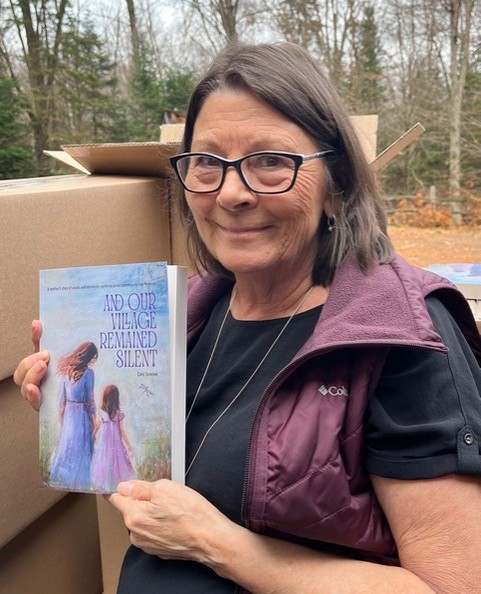
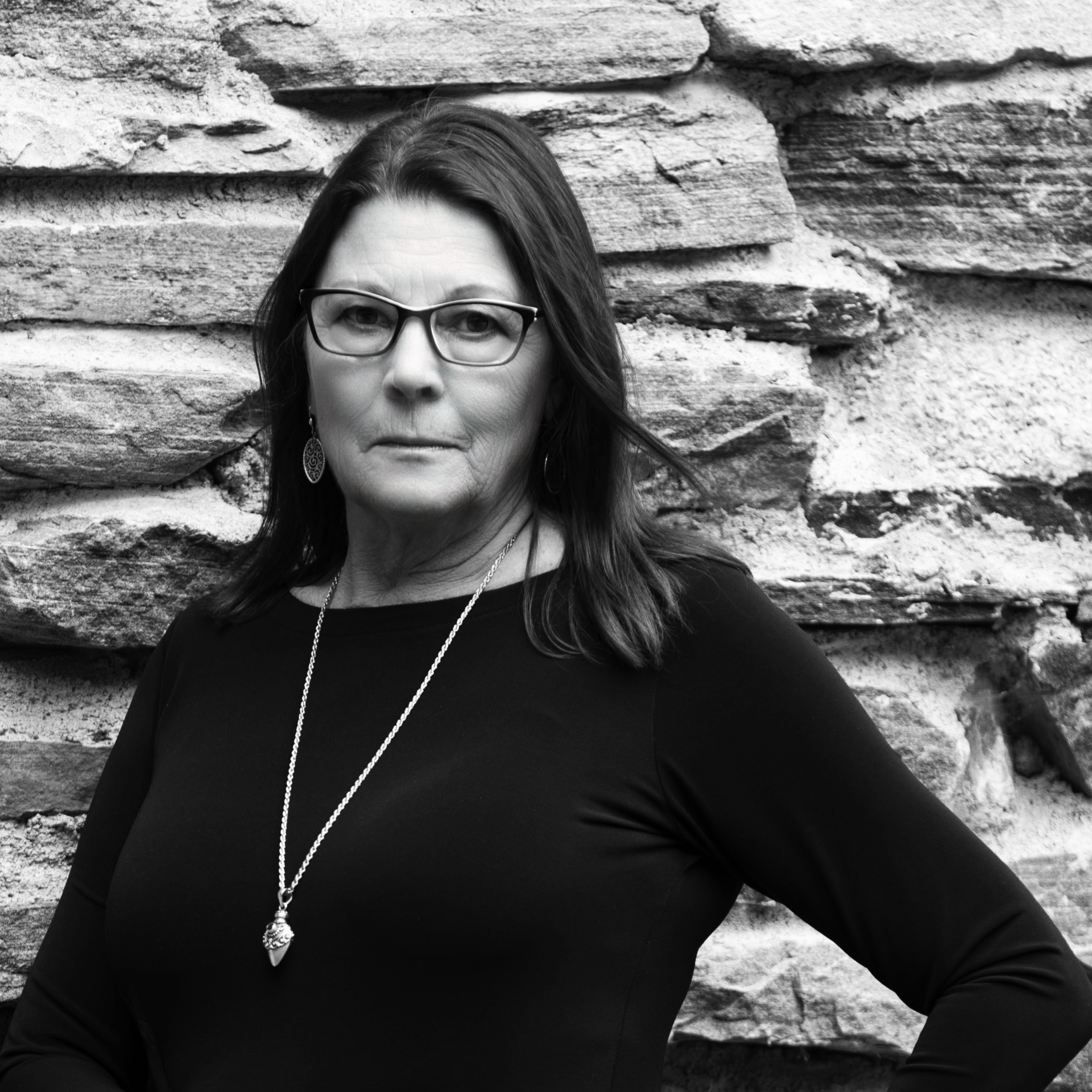
Cate Schenk earned a Bachelor of Social Work degree from the University of Windsor. Her education, personal experiences, and practice within child welfare and mental health agencies contributed to an appreciation of how all forms of domestic violence disproportionately affect women and children. In her debut novel And Our Village Remained Silent, Schenk explores the complexities of family violence, particularly incest, and the interplay between personal and societal responses.
Author’s Note
And Our Village Remained Silent is a mother’s previously untold story of the molestation of her sisters and daughter, perpetrated by her husband. To protect their children, mothers too often suffer in silence, struggling to put their family back together with limited services or resources delivered in silos within a severely fragmented system. During the 1980s and 1990s, societal views of non-offending mothers were largely negative. Then, and now, mothers received a measure of blame; many believed that mothers should have known and they must have allowed it.
Inspiration for this perspective of a mother comes from a wide range of sources, including research, literature, the suffering of mothers in my social work career in child protection and mental health, the situations of friends, and my own experiences. I have seen mothers manage the pain and isolation of incest and domestic violence with profound resolution and hope. If you see a story you know in these pages, it is because the novel reflects fundamental and universal truths.
To allow for the many layers of trauma to unfold “in real time,” the story is told chronologically as a diary. This format demonstrates that while recovery from many forms of violence is a very long and winding road, it is a road worth travelling. Incest cuts across ethnic, economic, social, and ideological environments and where a family is situated along any of these spectra affects how they experience the trauma. The family portrayed here is white, middle class, and religious and their roadblocks are overwhelming. Mothers already enduring poverty or racial/ethnic biases have an exponentially more difficult time when they face domestic violence situations.
In our patriarchal society with a hierarchical power distribution, the pandemic of gender-based violence rages on, almost exclusively affecting women and girls. This novel underscores how these problems, at their very core, are maintained by misogynistic values and attitudes that, from individual to institutional to cultural levels, disaffirm women and children. We know this is true because the rates of women dying from intimate partner violence and the statistics of child sexual abuse are not declining. Shelters for women and their children seeking safety are overflowing. Sexual abuse services are challenged to meet increasing needs. Mental health agencies are at the breaking point of capacity. Child pornography is a growing problem. This is the situation in 2024. We have no idea what we are in for with the further development of AI (artificial intelligence). AI’s current capacity to exploit is frighteningly real, is here, and the future risk for women and children is truly unfathomable.
This novel is intended to be both personal and political. It shines a light on social policies and institutional behaviours that exacerbate and perpetuate child sexual abuse. All responses, be they helpful, neutral, or harmful, have a titanic impact on the affected family and the effects ricochet back to society. Mothers typically shoulder the burden of their children’s molestation in silent shame. This novel gives non-offending mothers a voice. To mothers despairing over their child’s sexual abuse, I embrace you in hope that you will be able to hold on and move forward until you find your way out of the nightmare. You are not alone.
Cate’s Appearances